Today “disco style” often means a wig, a polyester collar and a pointing finger. Those images come mostly from late-1970s films and later parodies. The documented picture is wider: dancers in different rooms moved differently, dressed for different reasons and borrowed from different traditions.
Freestyle first
In the early downtown parties, most people danced freestyle — alone, or loosely with friends, responding to the music rather than performing set steps. Accounts from the Loft and the Gallery describe dancers locked into long grooves for hours. This was a break from 1960s partner dances and from the formality of older ballrooms, and it suited crowds where same-sex couples might not want to be singled out.
The hustle and partner dancing
The hustle developed in the early 1970s, with strong roots among Latino dancers in New York, who drew on mambo and salsa partner work. Variations included the Latin hustle, the New York hustle and line versions. When Van McCoy’s instrumental “The Hustle” reached number one in 1975, it named and popularized a dance already alive in clubs. Competitions and dance schools then standardized steps that had evolved socially.
The bump — partners knocking hips on the beat — spread around 1974–1975. Line dances such as the Bus Stop appeared in many local versions, which is why written instructions from the era rarely agree.
Fabrics made for movement
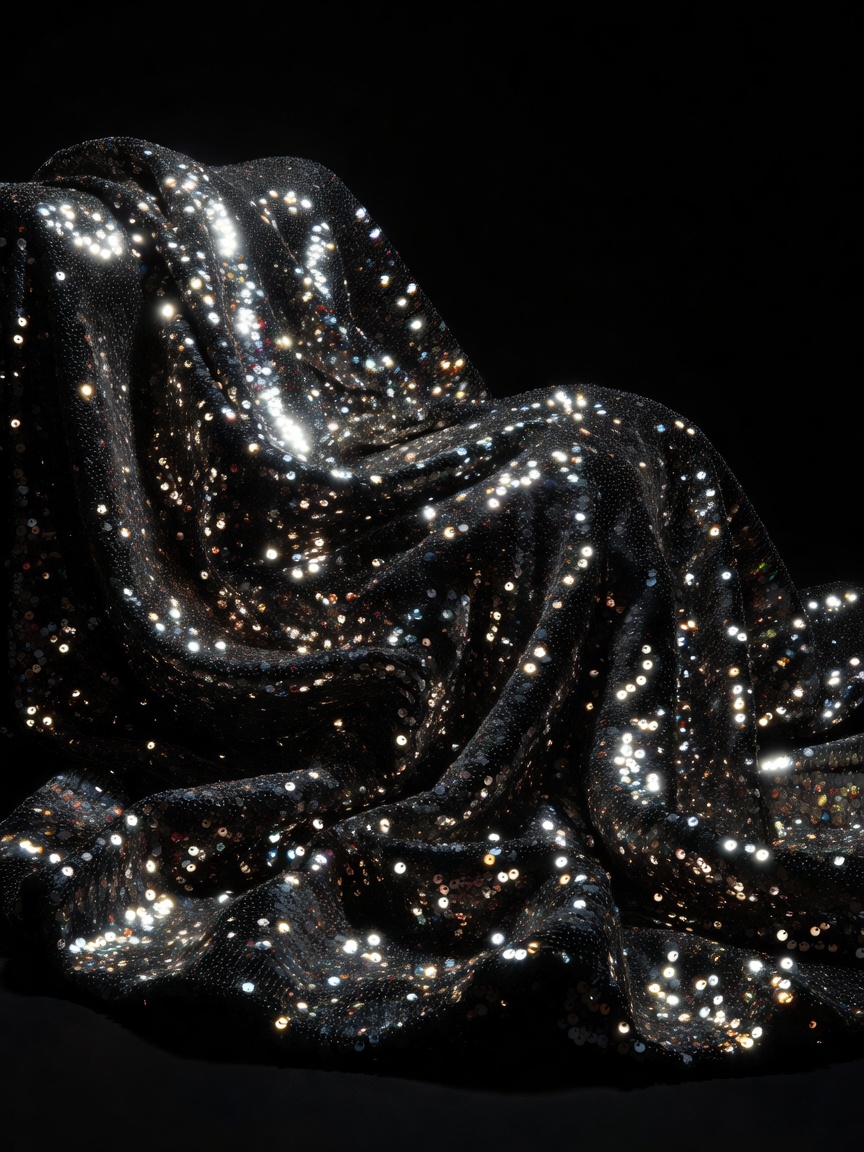
Disco-era clothing answered practical needs: heat, sweat and constant motion. DuPont’s Qiana, a silky nylon introduced in the late 1960s, became popular for printed men’s shirts because it draped and dried quickly. Jersey knits let dresses swing. Lurex and sequins caught light from mirror balls and strobes, so reflective fabrics became part of the visual rhythm of a room.
Designers and the floor
Diane von Fürstenberg launched her jersey wrap dress in 1974; it was easy to dance in and became a defining garment of the decade. Halston dressed clients — including regulars at Studio 54 — in fluid, minimal shapes. Elio Fiorucci’s New York store, opened in 1976, mixed bright, playful fashion with a club-like atmosphere. In Saturday Night Fever (1977), costume designer Patrizia von Brandenstein put John Travolta in the white three-piece suit that later became shorthand for the whole era.
Footwear
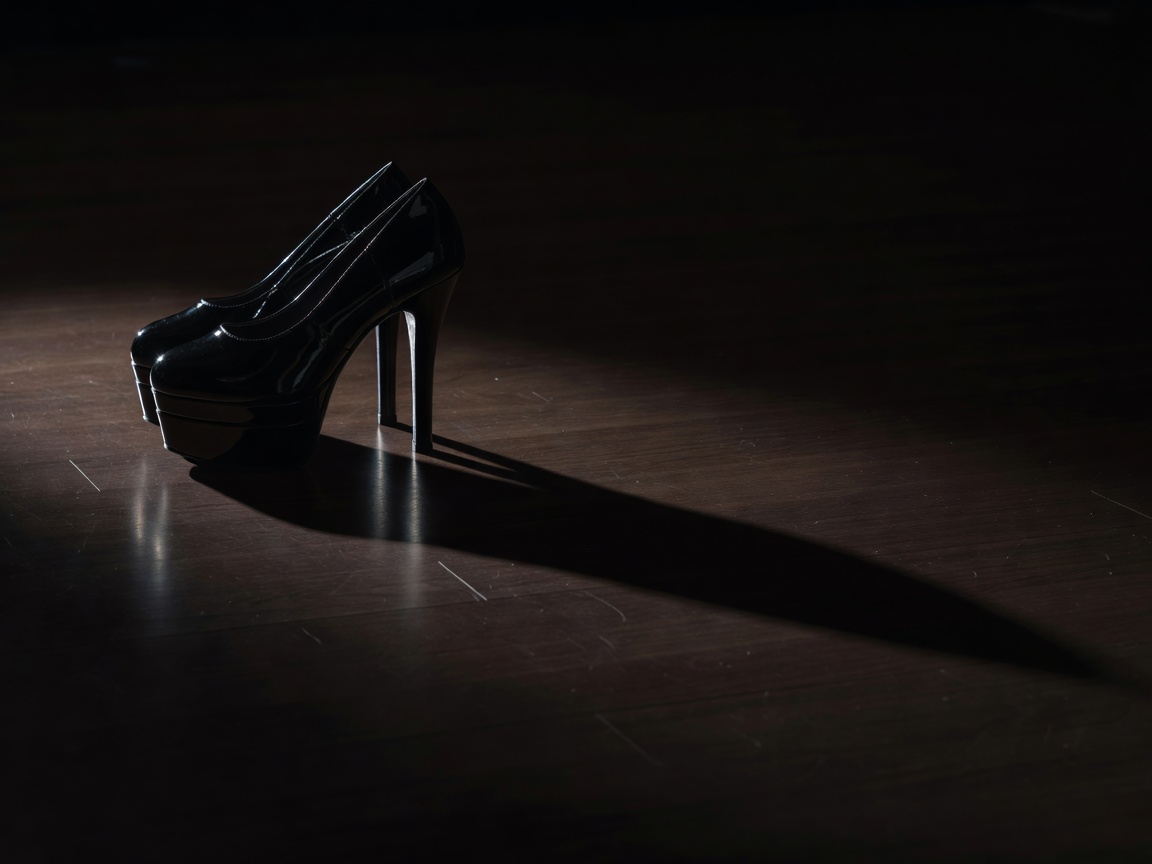
Platform shoes, worn by many genders, added height and drama, though serious dancers often chose lower heels for spins and footwork. Leather-soled shoes slid more easily on wooden floors, which is one reason dancers cared about the surface of a room as much as its sound.
Style as identity
For queer dancers, dressing up in a members-only room could mean freedom unavailable on the street; the gay “clone” look of jeans, tight T-shirts and moustaches also shaped club fashion in the late 1970s. Harlem’s ballroom culture, created by Black and Latino LGBTQ+ communities, predates disco and remained distinct, though the two worlds shared music and people. We keep these histories side by side without merging them.
Nostalgia check
Retro parties are fun, and borrowing a look is not a crime. Just remember that the “costume” has a history: it belongs to dancers who often faced discrimination for being seen at all.
The Hustle
A partner dance with Latino New York roots, named nationally by Van McCoy’s hit.
The wrap dress
Diane von Fürstenberg’s jersey design, made for movement.